Natural Healing Ointment Recipe: A Complete Guide
MOISTURIZERS
1/19/20262 min read
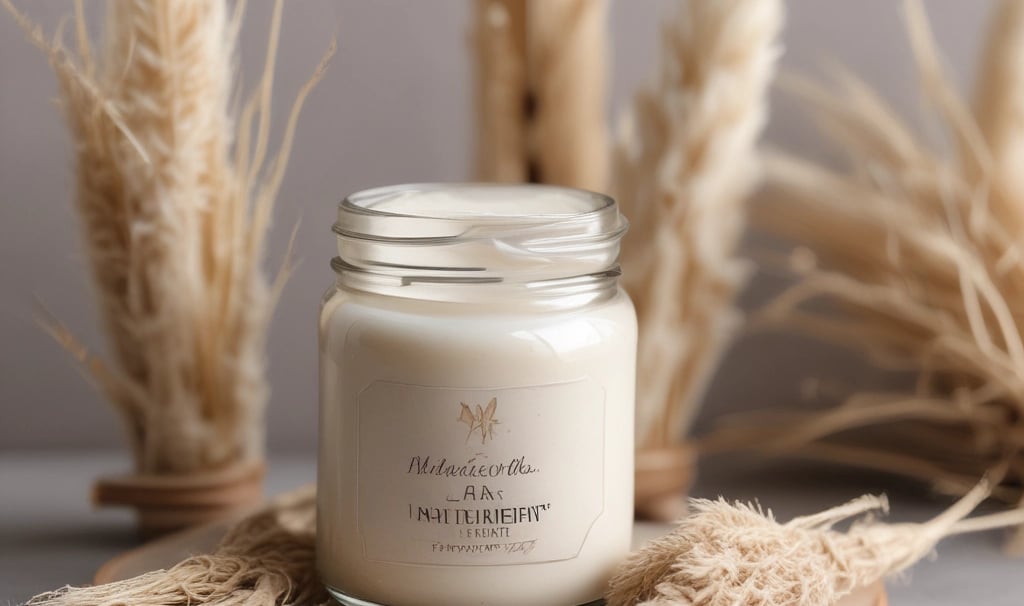
Introduction to Healing Ointments
In recent years, more individuals are turning to natural remedies for their various health concerns. Healing ointments, derived from organic ingredients, are among the most sought after. This blog post presents a simple yet effective healing ointment recipe along with details about the benefits of each ingredient, ensuring you are informed about the restorative properties of what you're applying.
Healing Ointment Recipe
This healing ointment is easy to make and requires just a few ingredients that are readily available. Here’s what you’ll need:
1/2 cup coconut oil
1/4 cup beeswax pellets
1 tablespoon shea butter
10 drops of lavender essential oil
5 drops of tea tree oil
Instructions:
In a double boiler, melt the coconut oil, beeswax pellets, and shea butter together, stirring gently until fully combined.
Once melted, remove the mixture from heat and allow it to cool slightly.
Add the lavender and tea tree oils, stirring well to incorporate.
Pour the mixture into a small glass jar or tin while it’s still warm.
Allow it to cool completely before sealing.
Benefits of Ingredients
Understanding the benefits of each ingredient in your healing ointment is essential for appreciating its therapeutic qualities. Here’s what each component brings to the mix:
Coconut Oil: Rich in fatty acids, coconut oil is known for its moisturizing effects and contains antibacterial properties that can help heal wounds.
Beeswax: Acts as a natural barrier against irritants, beeswax also promotes the healing of skin by sealing in moisture.
Shea Butter: Renowned for its high concentration of vitamins A and E, shea butter promotes skin repair and reduces inflammation.
Lavender Essential Oil: This soothing oil is widely recognized for its calming effects and ability to reduce redness and skin irritations.
Tea Tree Oil: Known for its antifungal and antimicrobial properties, tea tree oil is beneficial for treating minor cuts and skin irritations.
Frequently Asked Questions
1. How do I store the healing ointment?
Store it in a cool, dry place, preferably in a glass jar, to prolong its shelf life.
2. Can I use this ointment on sensitive skin?
While the ingredients are generally safe, it's recommended to perform a patch test before applying it to larger areas.
3. How often can I apply this ointment?
You can apply it as needed, especially after washing or treating the skin.
Note: This recipe was created by AI to assist you in exploring natural skincare options.
As an amazon associate i earn from qualifying purchases. See Full Disclosure